Exploring the Significance of Local Folklore
Folklore plays a vital role in shaping cultural identity and community cohesion. In this article, we will delve into the significance of local folklore in the United States, exploring its impact on traditions, storytelling, and community bonding.
Understanding the Basics of Folklore
Local folklore encompasses the tales, beliefs, customs, and practices that are shared among members of a specific community. According to the American Folklife Center, folklore is typically transmitted orally and includes various forms such as myths, legends, and traditional songs. This oral tradition is essential in preserving cultural heritage and promoting a sense of identity within communities.
"Folklore serves as a bridge between generations, allowing communities to share values, beliefs, and wisdom through storytelling." - Dr. Linda O. Johnson, Folklore Scholar
The Role of Folklore in Community Identity
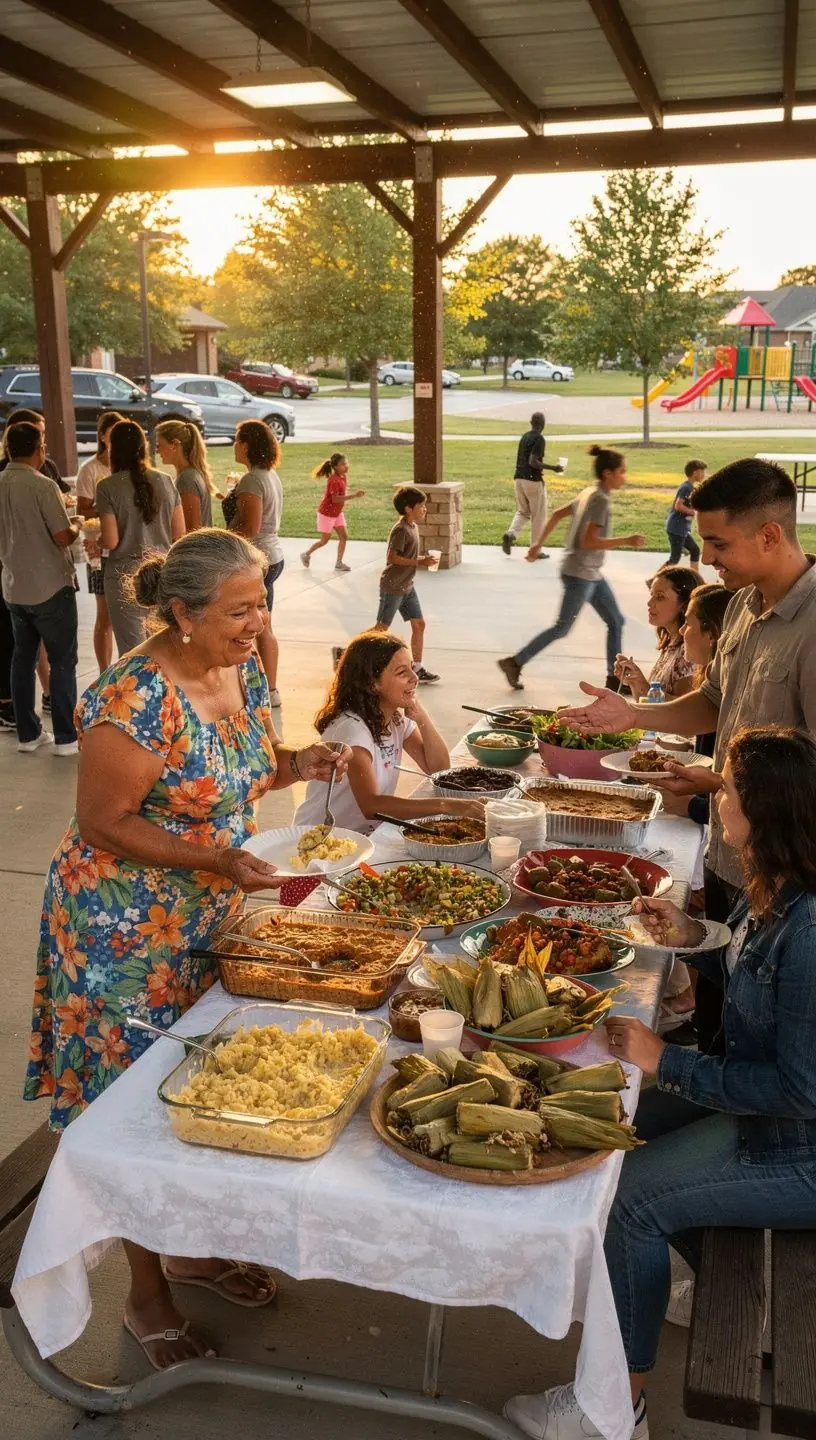
In many cases, local folklore contributes significantly to community identity. Research indicates that engaging with folklore can strengthen social ties and create a sense of belonging among residents. Many users report feeling more connected to their community when they participate in cultural events that celebrate local stories and traditions.
Examples of Local Folklore Practices
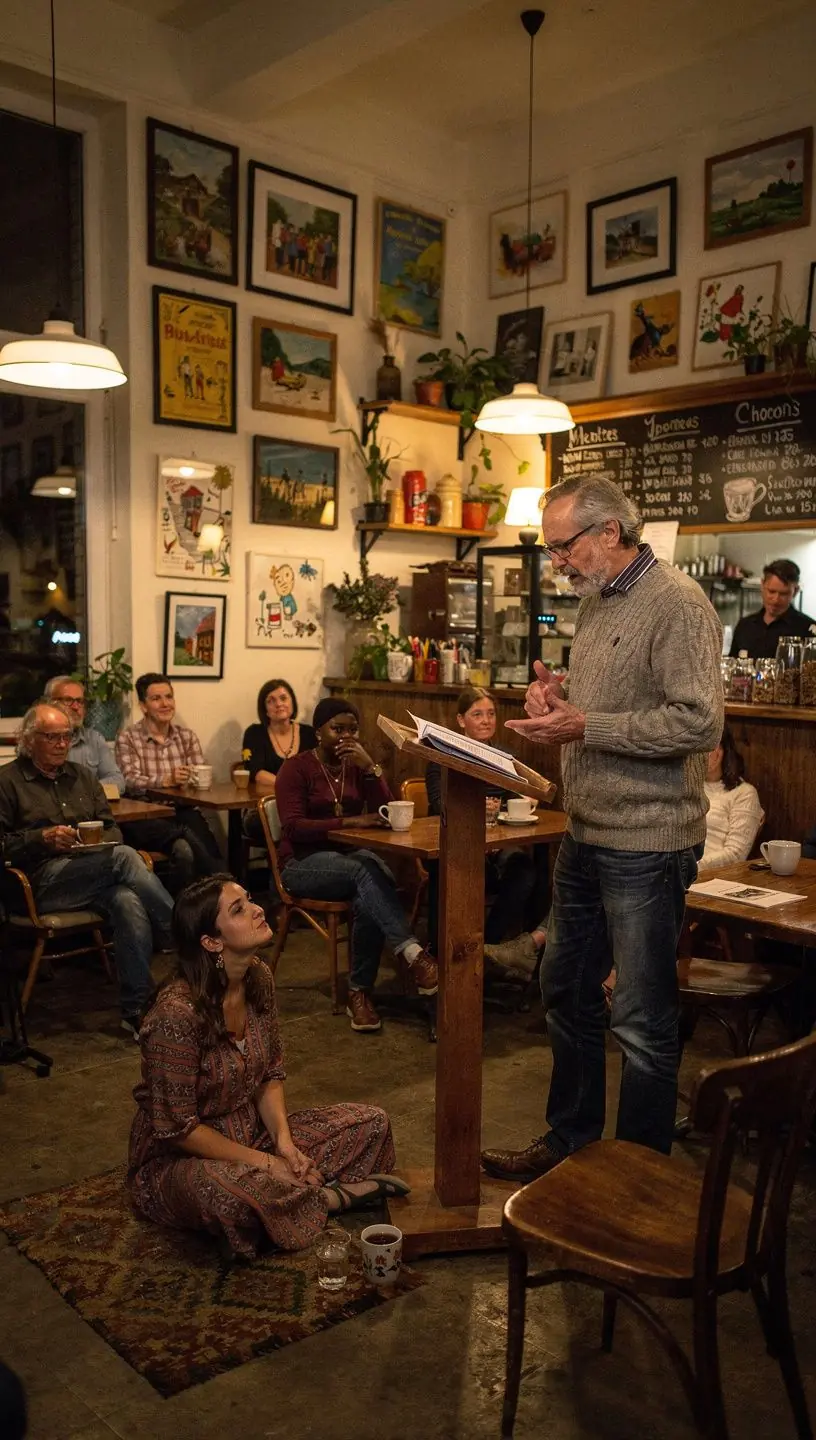
- Storytelling Festivals: These events often highlight local legends and myths, providing a platform for community members to share their narratives.
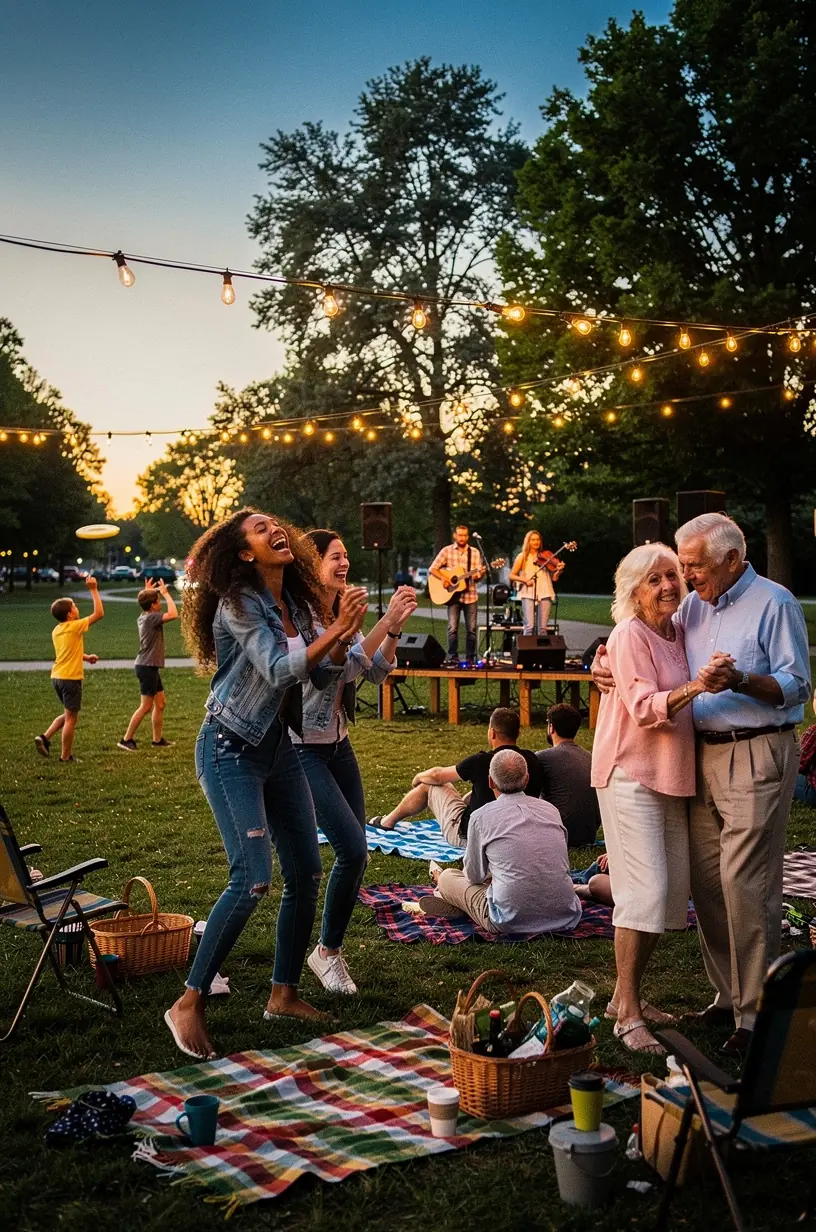
- Music Gatherings: Local music traditions often incorporate folklore, blending storytelling with performance to keep these stories alive.
- Cultural Clubs: Many communities have clubs dedicated to preserving local folklore, where members can learn and share different aspects of their cultural heritage.
How Folklore Enhances Cultural Appreciation
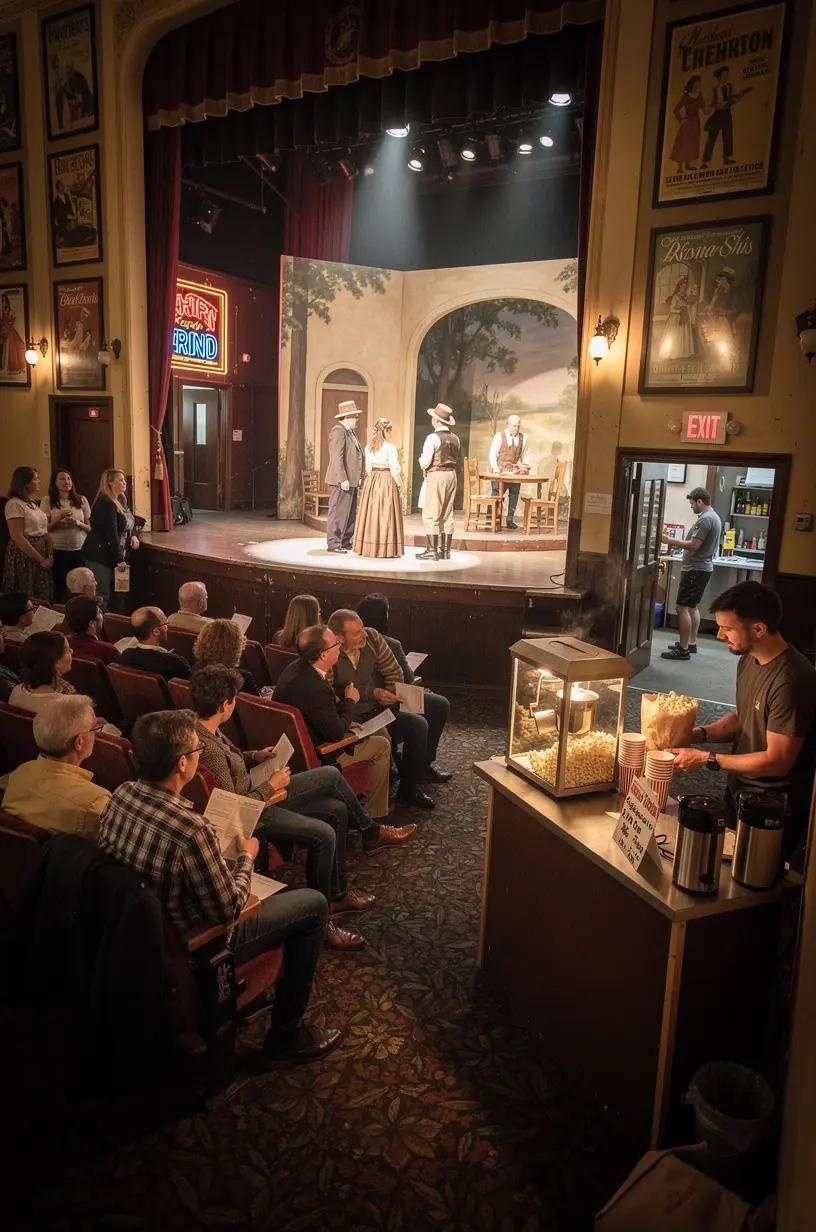
Engagement with local folklore can enhance cultural appreciation among community members and visitors alike. According to studies on cultural tourism, exposure to local narratives can boost interest in the area’s history and traditions, leading to increased tourism and community pride. Many experts recommend incorporating folklore into local events as a way to foster deeper connections among residents and attract visitors.
Challenges in Preserving Folklore
While local folklore is invaluable, there are challenges in its preservation. In many cases, the rapid pace of modern life can lead to a decline in oral storytelling traditions. Additionally, the advent of digital media has shifted how stories are shared, often overshadowing traditional methods. Preservation efforts typically require community dedication, with individuals often needing to invest time and resources to document and promote local folklore effectively.
"Communities that actively work to preserve their folklore can foster a sense of pride and continuity, ensuring that future generations can connect with their cultural roots." - Dr. Sarah E. Miller, Cultural Anthropologist
Conclusion
In conclusion, local folklore is a significant component of cultural identity and community connection in the United States. By understanding and participating in folklore traditions, individuals can foster a deeper appreciation for their cultural heritage and strengthen community bonds. Although challenges exist in preserving these traditions, with dedication and effort, communities can revitalize their folklore for future generations. Engaging in local events and storytelling can lead to meaningful connections and a rich cultural experience.
Learn More