The Importance of Volunteerism in Cultural Events
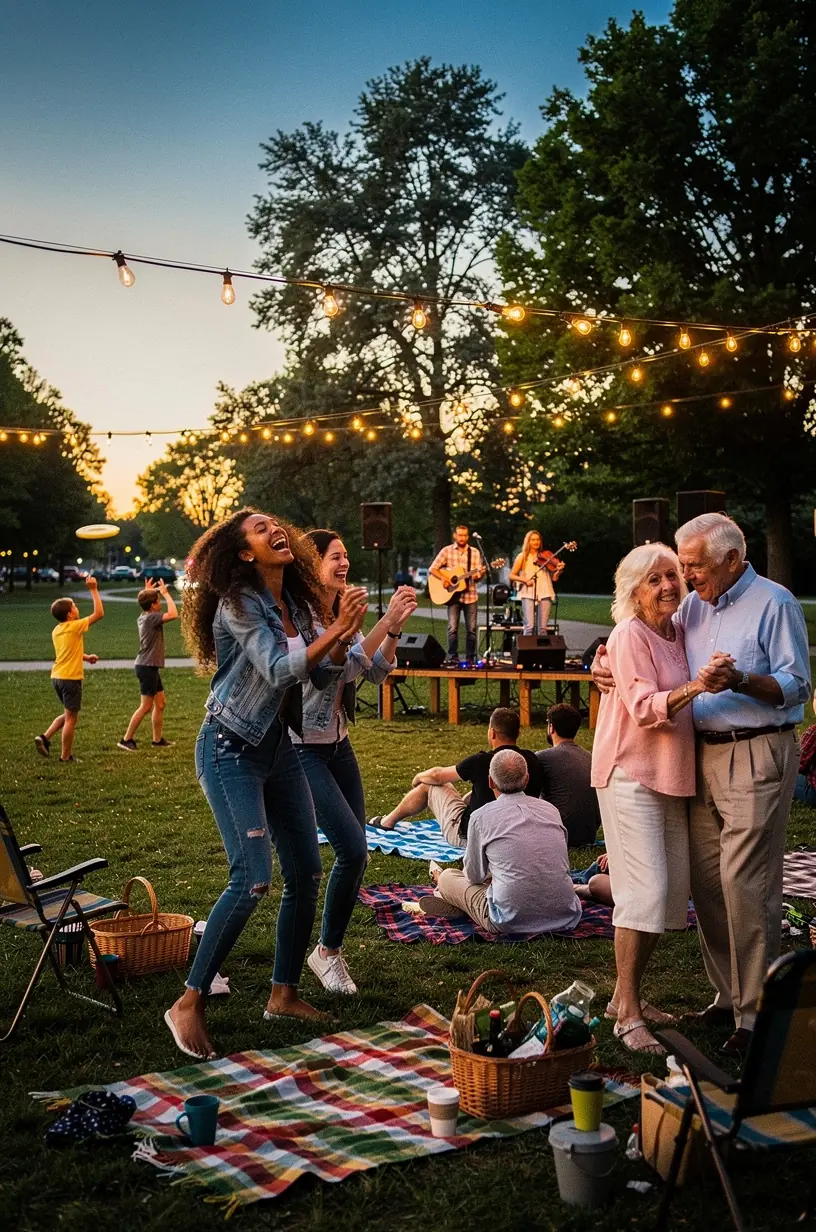
In the vibrant tapestry of local culture, volunteerism plays a crucial role in shaping cultural events. By understanding the importance of volunteer contributions, communities can enhance their cultural experiences while strengthening social bonds.
Understanding the Role of Volunteers
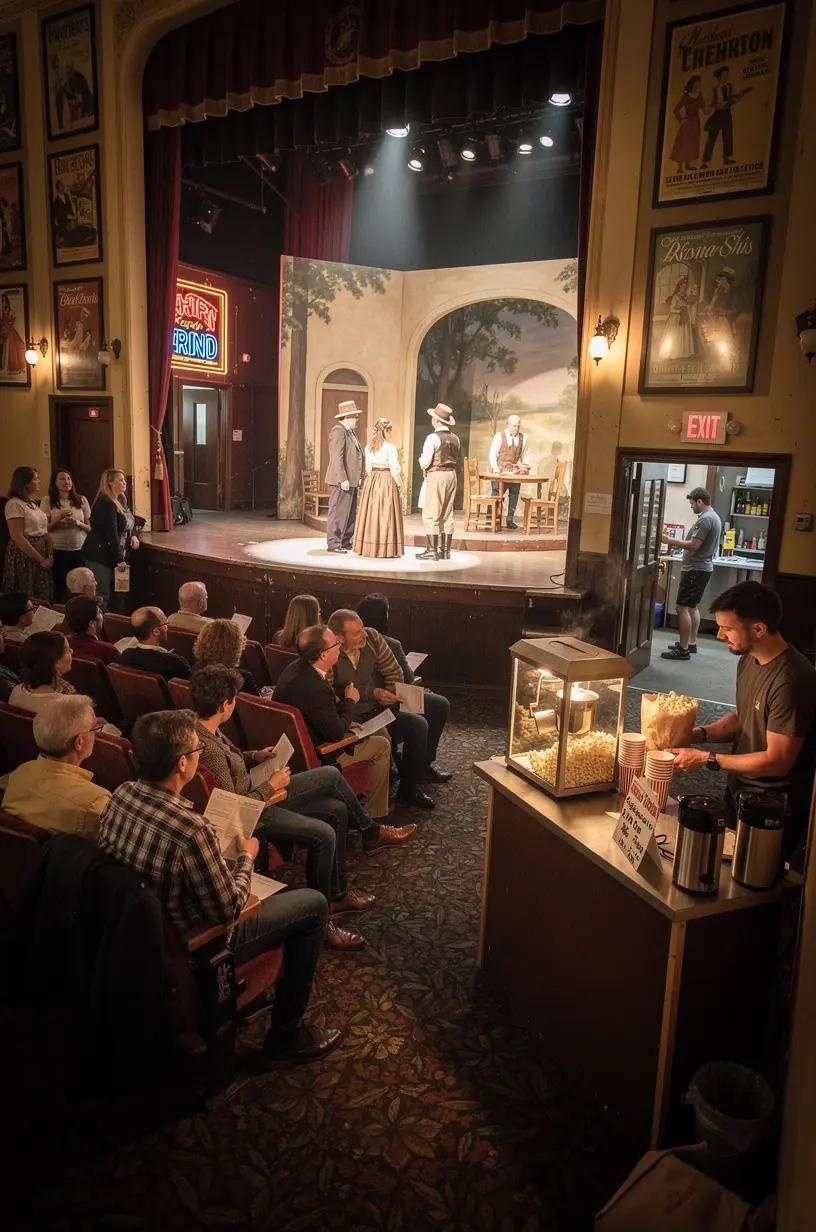
Volunteers are often the backbone of cultural events, providing essential services such as planning, organizing, and executing activities. According to research from the National Volunteer Fire Council, many communities rely on volunteers to bring their cultural celebrations to life. This occurs primarily because volunteers help to reduce operational costs, allowing more resources to be allocated to the event itself.
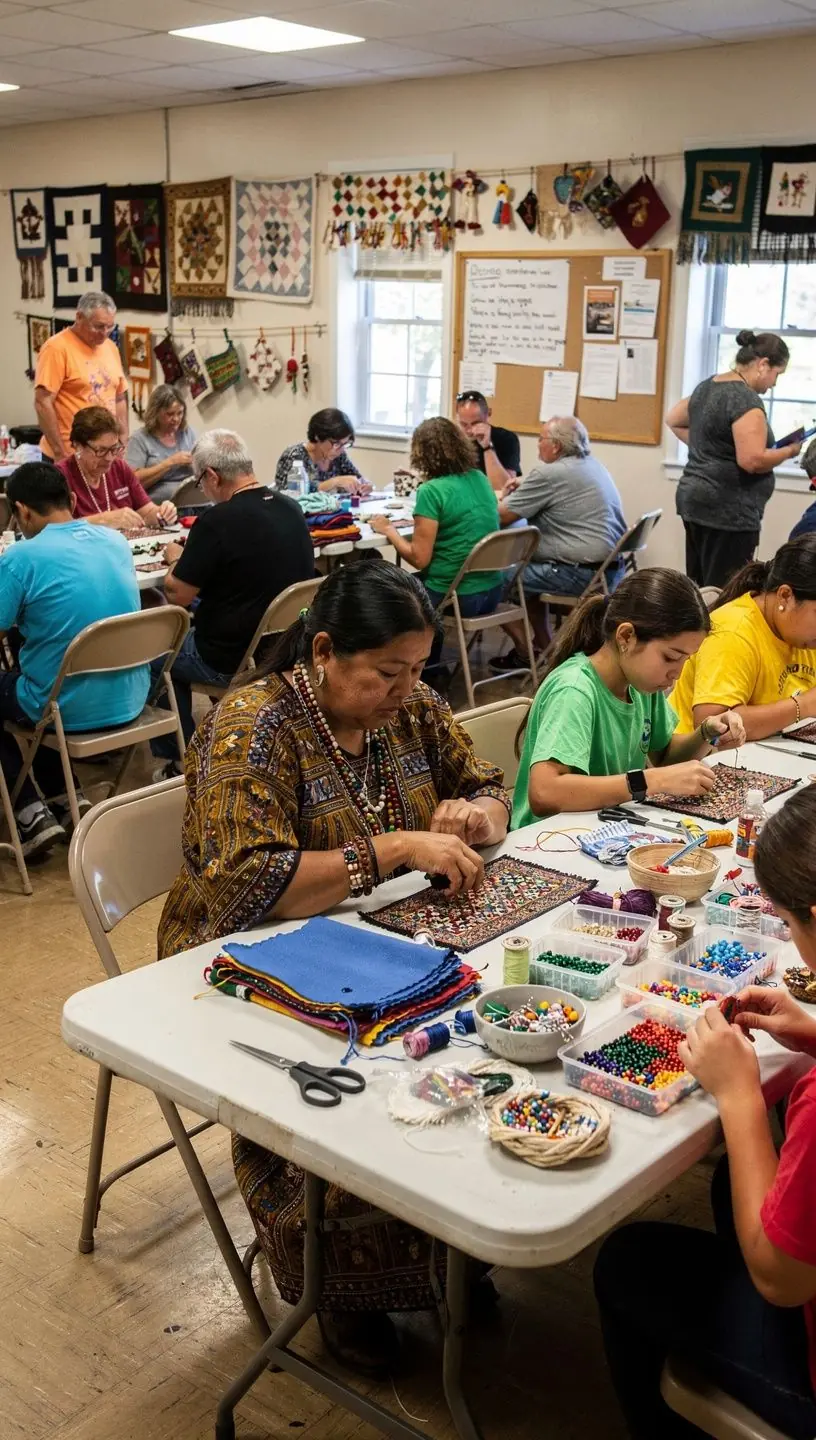
"Communities that engage in volunteerism often report stronger social ties and enhanced cultural experiences." - Cultural Studies Journal
How Volunteerism Enhances Cultural Events
Volunteering in cultural events can lead to several positive outcomes. Here are a few key benefits:
- Building Community Connections: Volunteers often foster relationships that can lead to lasting friendships. This community engagement is essential for a thriving local culture.
- Acquiring New Skills: Many volunteers typically learn new skills while working on events, such as project management, communication, and teamwork. These skills can be beneficial in personal and professional settings.
- Boosting Event Success: Studies show that events staffed by volunteers often have higher attendance rates. This is because volunteers can engage with attendees and create a welcoming atmosphere.
Challenges of Volunteerism
While volunteerism is beneficial, it also comes with its challenges. Engaging volunteers typically requires time and effort, as organizations must recruit, train, and retain their support. In many cases, this process can take several weeks, and it requires a dedicated approach to keep volunteers motivated and engaged.
Best Practices for Encouraging Volunteerism
To maximize the benefits of volunteerism in cultural events, organizations can follow these best practices:
- Provide Clear Roles: Clearly defined roles and responsibilities help volunteers understand their contributions, making them feel valued.
- Recognize Contributions: Acknowledging the hard work of volunteers through awards or public recognition can motivate continued participation.
- Foster Community Spirit: Creating opportunities for social interaction among volunteers can enhance their experience, leading to better retention rates.
Conclusion
In conclusion, volunteerism is a vital component of successful cultural events. By understanding the importance of volunteers, communities can not only enhance their cultural offerings but also build stronger social connections. While there are challenges associated with organizing volunteers, implementing best practices can lead to rewarding experiences for both volunteers and the communities they serve. Embracing volunteerism can foster a richer, more vibrant cultural landscape for everyone involved.