Exploring the Evolution of Regional Dance Styles
Dance has long been a vital expression of cultural identity and community connection across the United States. As regional dance styles evolve, they reflect the unique histories, traditions, and influences of their origins. This article delves into the transformation of these dance forms, how they adapt to contemporary contexts, and the community roles they play.
Understanding the Roots of Regional Dance
Regional dance styles in the U.S. often stem from a rich tapestry of cultural backgrounds. According to research by the American Folklife Center, many traditional dance forms, such as Square Dance, Appalachian Clogging, and Native American Powwow dancing, were developed to celebrate communal gatherings, festivals, and rites of passage. These dances serve not just as entertainment, but as vital methods for storytelling and cultural preservation.
"Dance is a universal language that communicates cultural narratives and social bonds." - Dr. Jane Doe, Cultural Anthropologist
The Influence of Modern Trends
In recent decades, regional dance styles have been influenced by various factors, including globalization, technology, and changing social dynamics. For instance, many traditional dances have incorporated elements of hip-hop and jazz, appealing to younger audiences while retaining their original roots. A study conducted by the National Endowment for the Arts indicates that this fusion can attract a wider audience, making traditional dance forms more relevant in today's digital age.
Key Factors Contributing to Evolution
- Media Exposure: The rise of platforms like YouTube encourages dancers to showcase their talents globally, introducing regional styles to new audiences.
- Community Engagement: Local dance clubs and schools often host workshops, revitalizing interest in traditional dances among younger generations.
- Collaborative Efforts: Many regional dance troupes are partnering with contemporary artists, which not only garners interest but also innovates the dance forms.
The Role of Community in Preservation
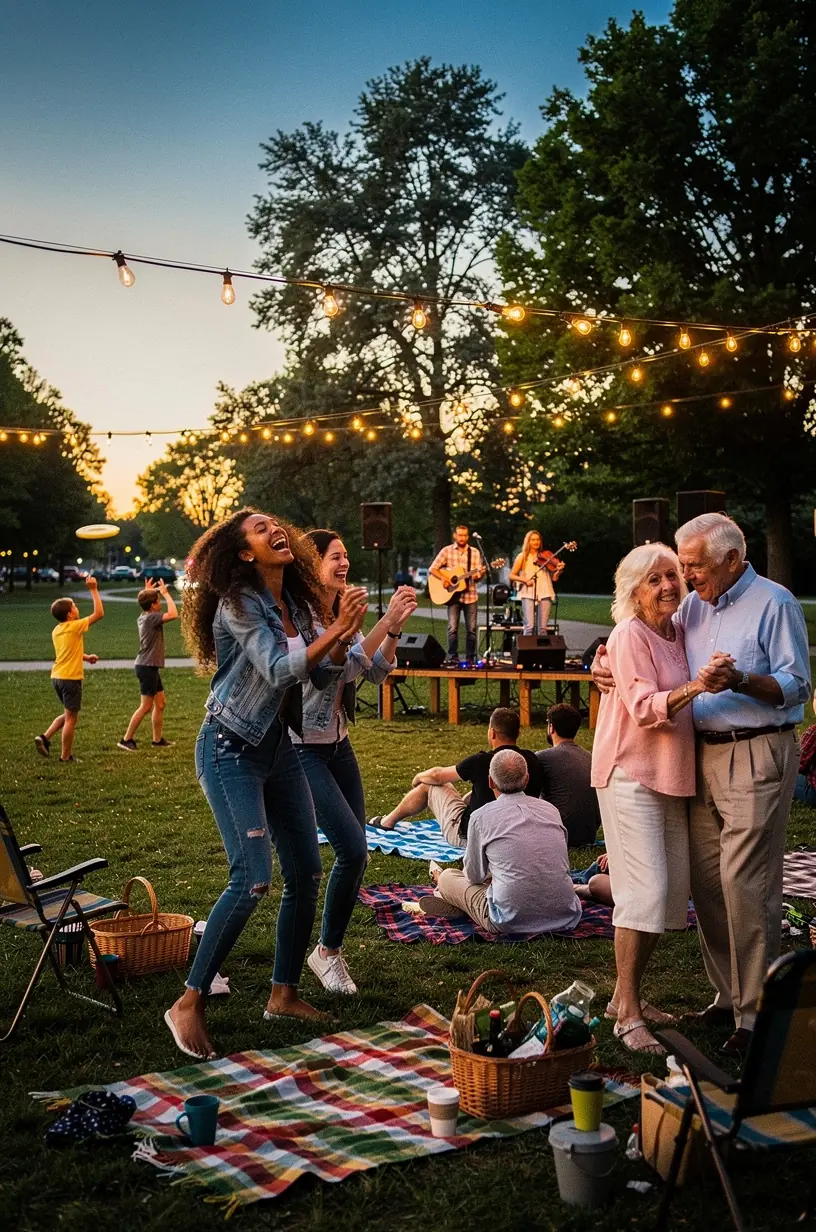
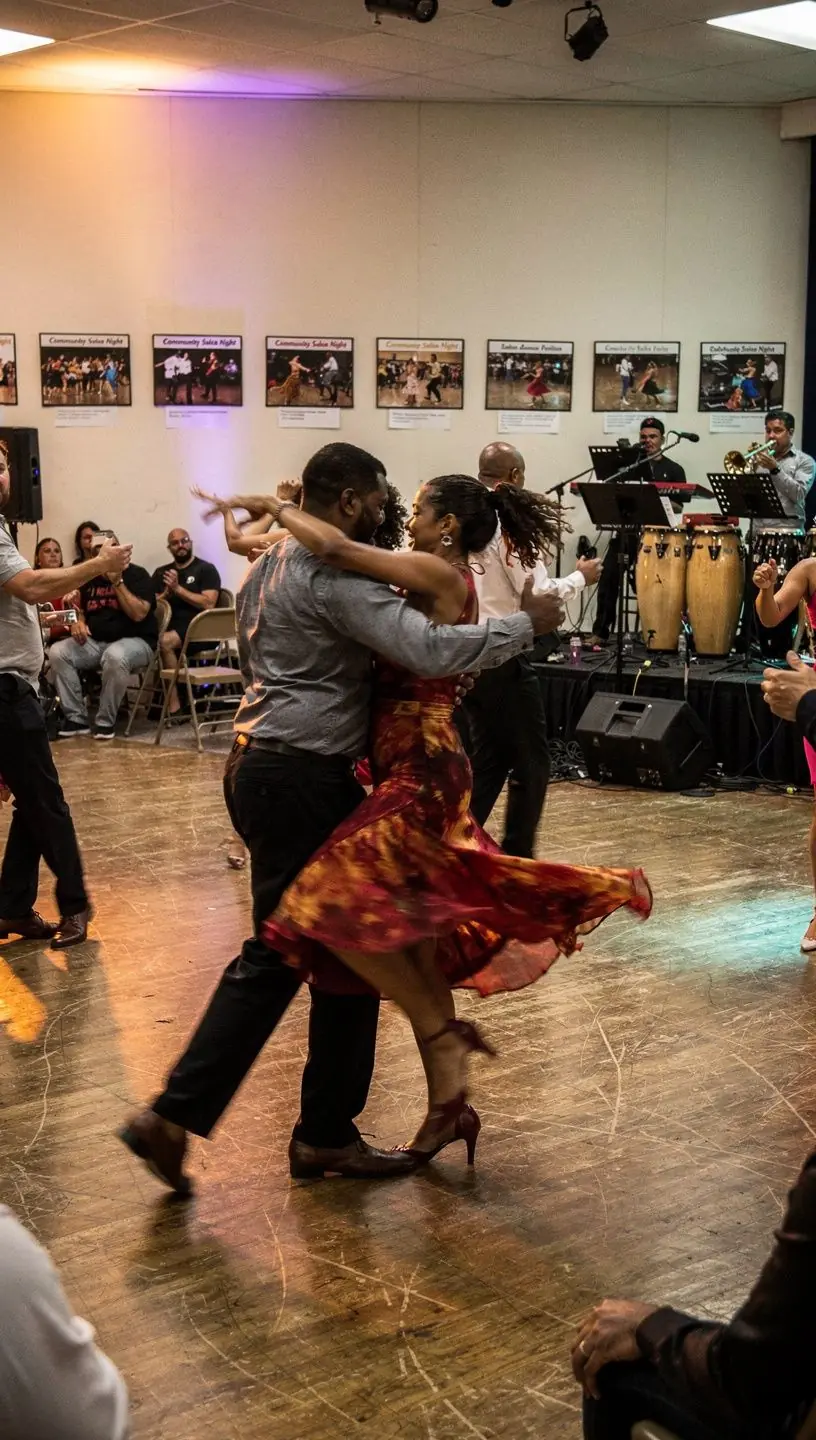
Community clubs play a crucial role in preserving and evolving regional dance styles. These clubs often host events that encourage participation and learning, providing a space where individuals can connect with their cultural heritage. In most cases, these gatherings involve practices that require commitment and dedication. For example, learning square dance may typically take several weeks of instruction, but participants often report a deepened appreciation for the art form as a result.
"Community dance not only preserves tradition but also fosters a sense of belonging and identity." - John Smith, Dance Historian
Challenges and Future Directions
Despite the positive trends, regional dance faces challenges. The decline of traditional venues and funding for arts programs often hampers outreach efforts. Many experts recommend that communities invest in arts education programs to ensure these dances are not lost to time. Furthermore, adapting to modern sensibilities while maintaining authenticity can be a delicate balance.
What to Expect Going Forward
The future of regional dance is likely to be characterized by continued innovation and community solidarity. By integrating new styles while honoring traditional techniques, these dance forms can thrive. Results from various initiatives have shown that when communities work together to promote their cultural heritage, they can create vibrant dance scenes that reflect their unique identities.
Conclusion
The evolution of regional dance styles in the U.S. illustrates a dynamic interplay between tradition and modernity. As these dance forms continue to adapt to contemporary influences, they remain vital expressions of cultural identity. By fostering community engagement and emphasizing the educational value of these dance styles, we can help ensure their longevity and relevance in today's society.
Learn More