How to Organize a Neighborhood Cultural Event
Organizing a neighborhood cultural event can be a rewarding experience that fosters community spirit. While the process can be intricate, breaking it down into manageable steps can help ensure success.
Understanding the Basics
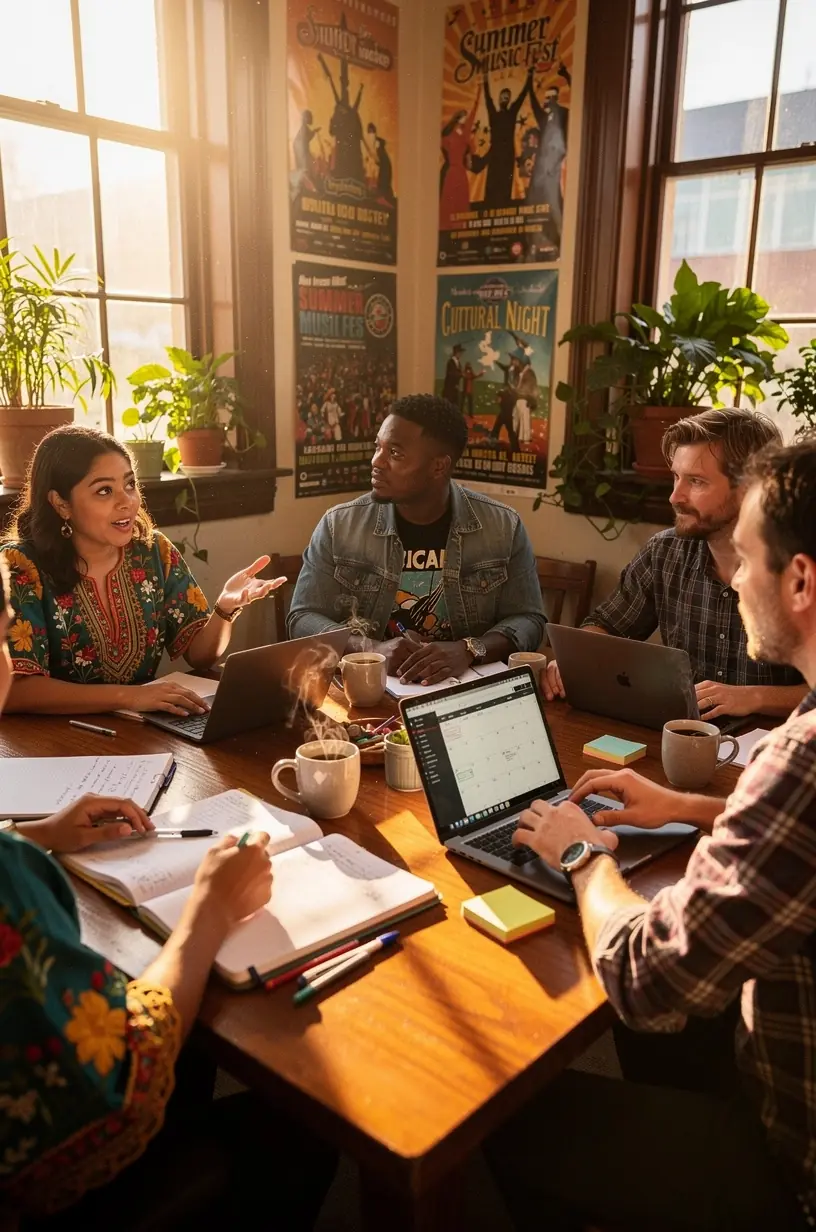
To start, it’s important to define the goals of your event. According to community organizers, having clear objectives—such as celebrating local culture or promoting community engagement—can guide your planning process. Experts recommend considering the interests of your neighbors to make the event more appealing.
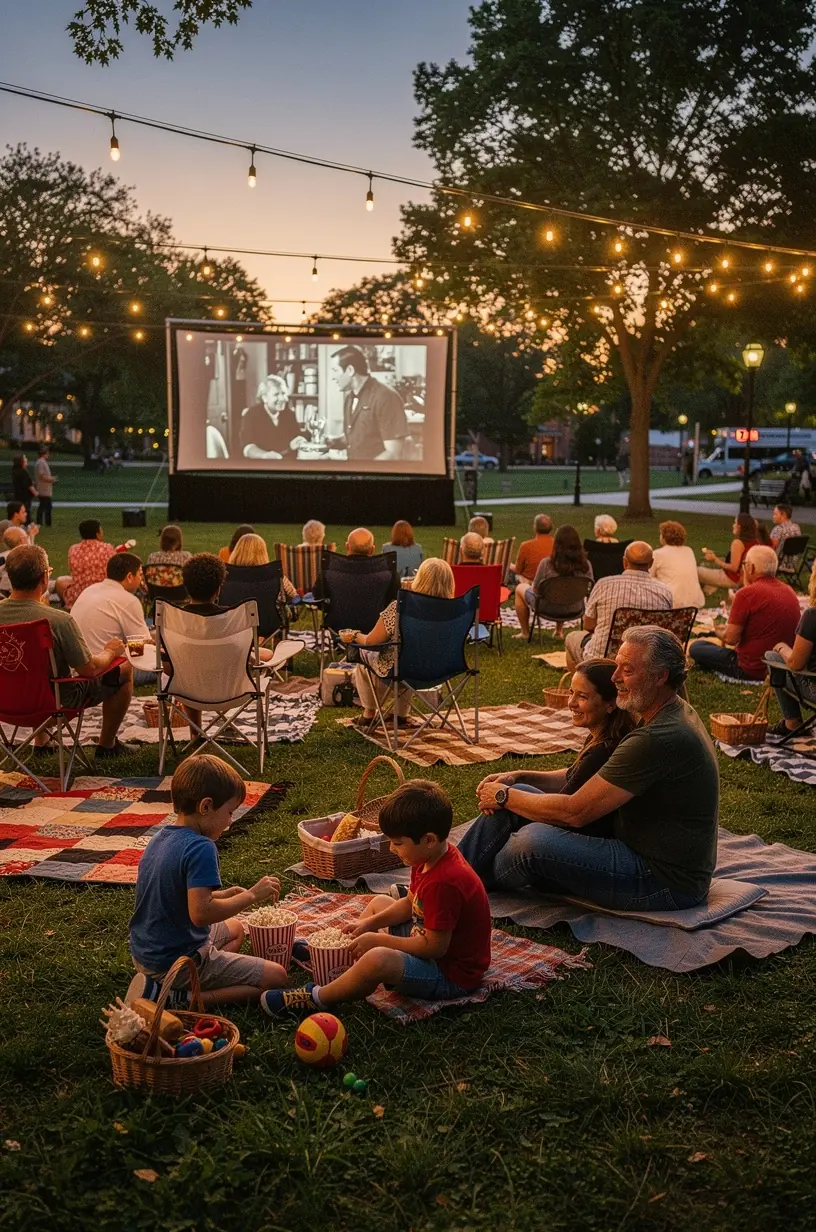
"Research indicates that community-focused events can increase social bonds and promote cultural awareness." - Community Development Journal
Steps to Organize Your Event
1. Gather Community Input
Begin by engaging your neighbors. Surveys or informal discussions can help determine what type of event would attract participation. Studies show that events aligned with community interests tend to have higher attendance rates. This step typically takes 1-2 weeks, depending on how you collect feedback.
2. Plan the Logistics
Next, consider the logistics of your event. This involves:
- Choosing a Date and Time: Select a date that avoids major holidays or local events, as this can affect attendance.
- Finding a Venue: Look for accessible locations within the neighborhood such as parks or community centers.
- Budgeting: Outline potential costs including permits, supplies, and entertainment. Many neighborhood events operate on limited budgets, so it's crucial to prioritize spending.
3. Promote Your Event
Effective promotion is key. Utilize local social media groups, flyers, and word-of-mouth to reach a wider audience. Experts recommend starting promotions at least 3-4 weeks in advance. This gives potential attendees ample time to plan their participation.
Incorporating Cultural Elements
To enrich the experience, incorporate local cultural elements. This could include:
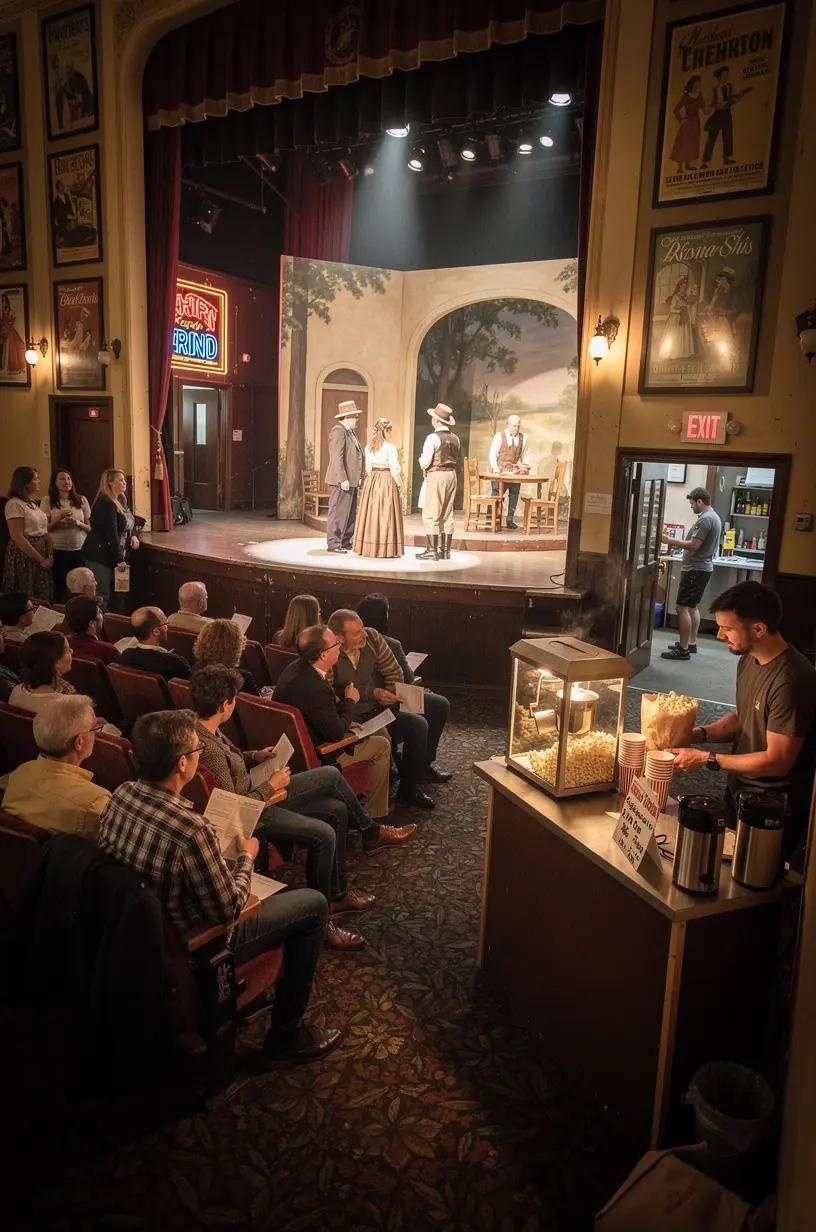
- Music and Performances: Invite local musicians or performers to showcase their talent.
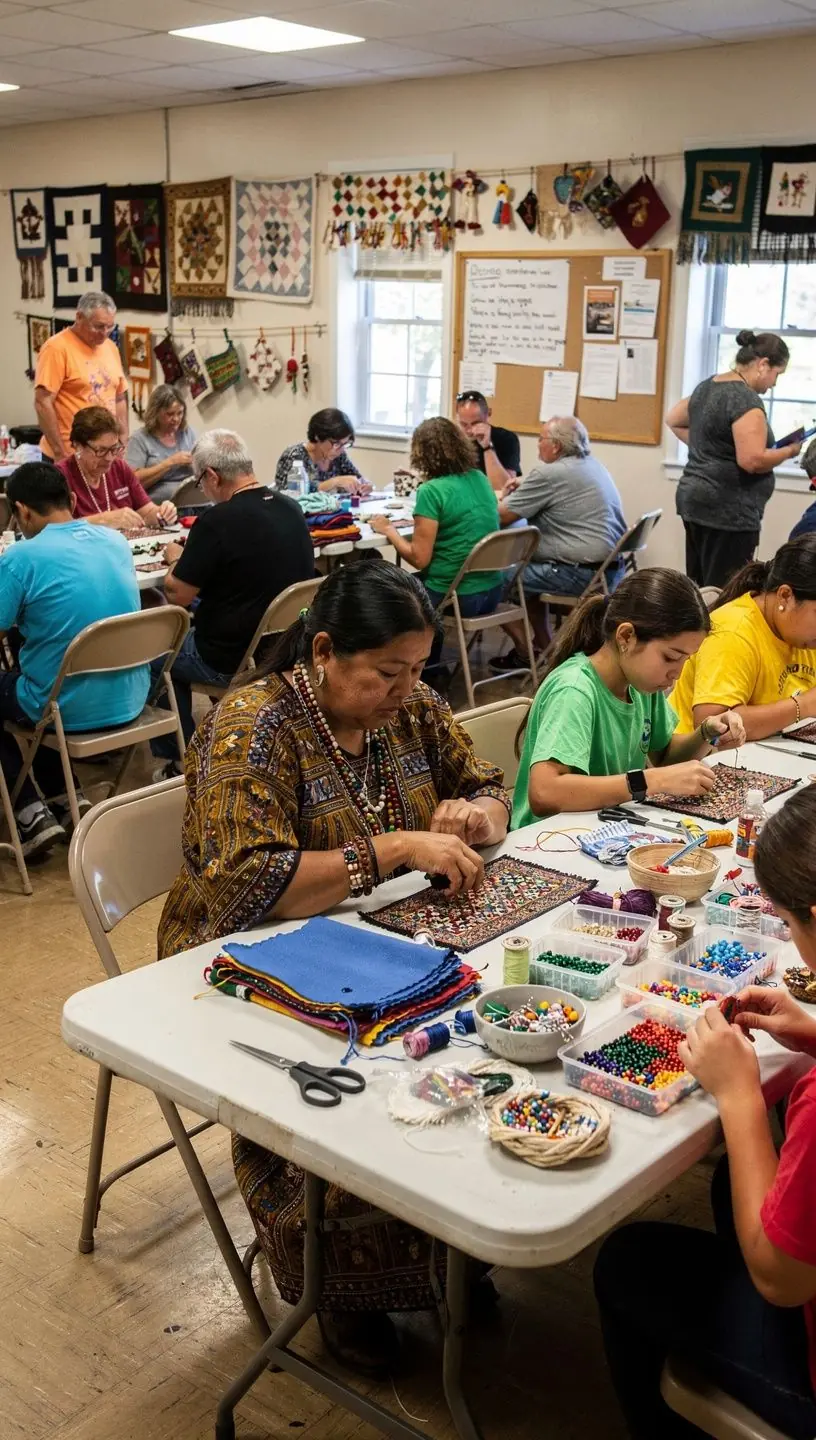
- Workshops: Host workshops that allow participants to learn traditional crafts or cooking techniques.
- Food Vendors: Include local food vendors to highlight regional cuisine, which contributes to the cultural atmosphere.
Evaluating Your Event
Post-event evaluation is essential. Collect feedback through surveys or discussions to determine what worked well and what could be improved for future events. This feedback process often takes another 1-2 weeks.
Conclusion
In summary, organizing a neighborhood cultural event requires careful planning and community involvement. By setting clear goals, engaging with your neighbors, and considering logistics and promotion, you can create a vibrant event that celebrates local culture. Remember, while the process may involve challenges, the positive impact on community bonds can be significant.