The Impact of Local Clubs on Community Engagement
Local clubs have long been cornerstones of community engagement, playing significant roles in fostering relationships and connecting residents. This article explores how these clubs influence civic participation, cultural appreciation, and social bonding within communities across the U.S.
Understanding the Role of Local Clubs
Local clubs often serve as social hubs where individuals can gather based on shared interests, whether it be sports, arts, or hobbies. According to research by the National Recreation and Park Association, clubs can enhance community cohesion by providing residents with opportunities to engage with one another. This engagement typically leads to increased social capital, which is vital for strong community ties.
Community Engagement through Shared Interests
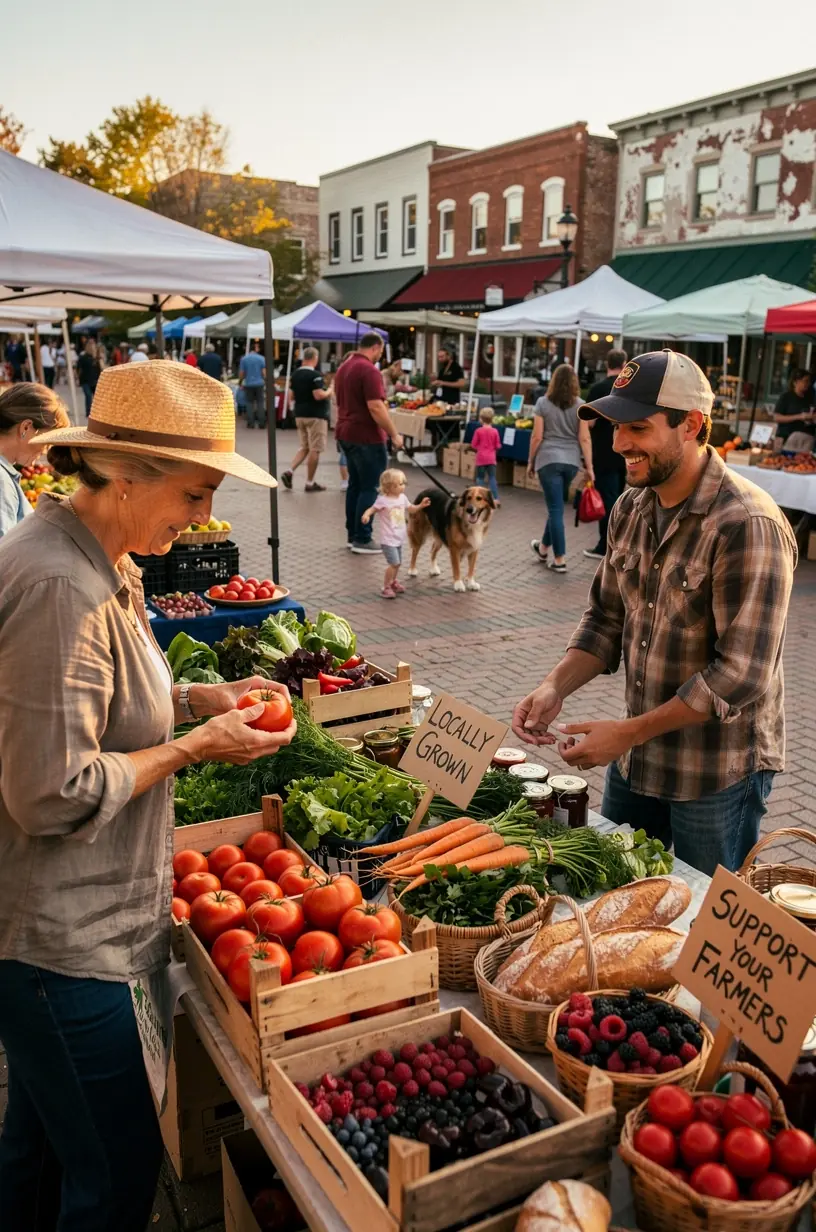
When individuals join local clubs, they usually find a sense of belonging and purpose. Studies indicate that members of community organizations often report higher levels of satisfaction with their neighborhood, as participation can increase feelings of connectedness and civic responsibility. Engaging in club activities often encourages volunteers to contribute to local initiatives, which can further enrich community life.
"Engagement in local clubs has been linked to increased levels of volunteerism and community involvement, providing essential support for local events and initiatives."
Benefits of Local Clubs
- Networking Opportunities: Clubs can facilitate valuable connections and relationships among their members, which can lead to collaborations on community projects.
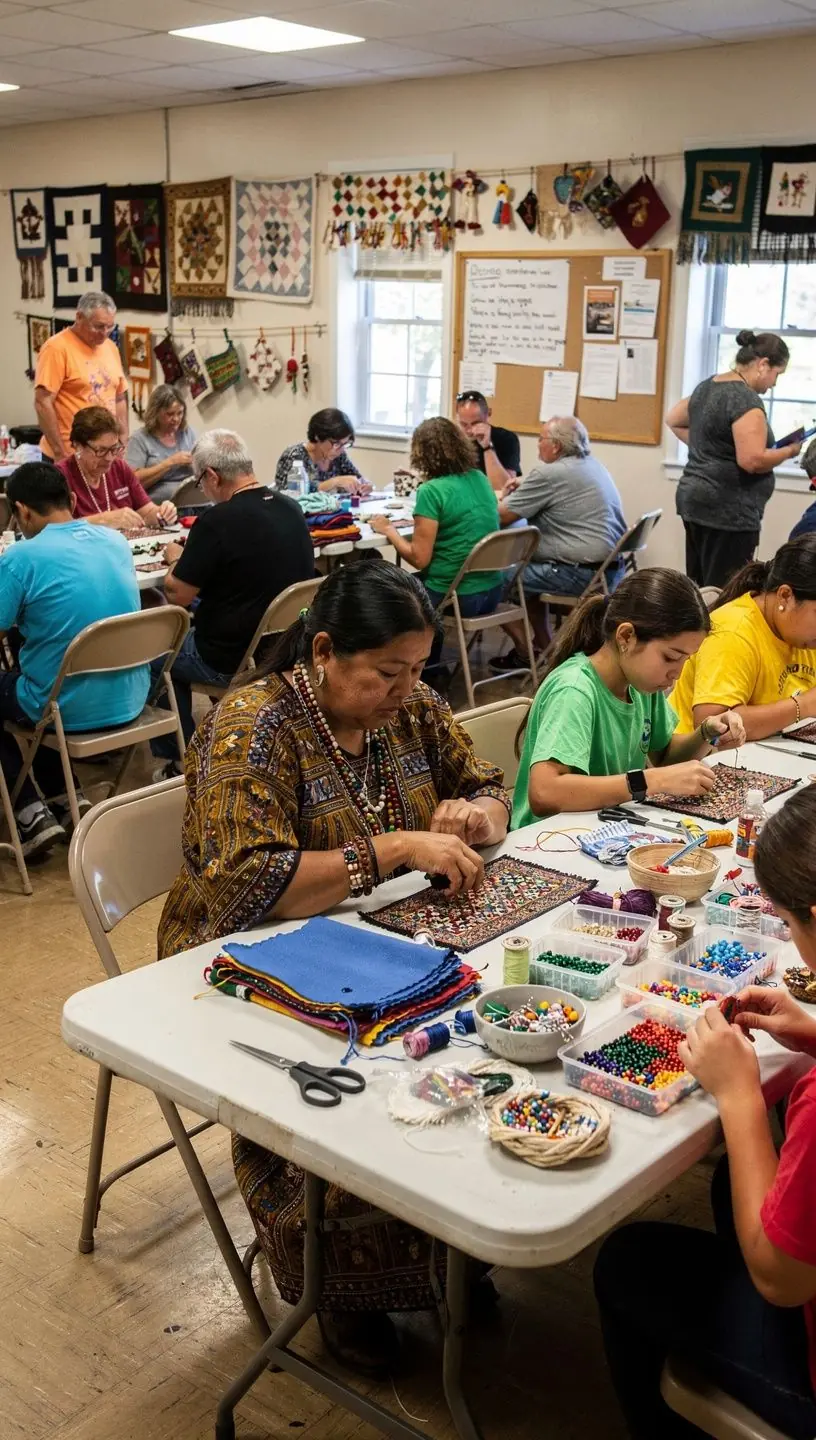
- Cultural Exchange: Many clubs promote the appreciation of local traditions and cultural practices, helping to preserve the history and identity of the community.
- Skill Development: Participating in clubs often involves learning new skills, whether it's through workshops or shared activities. This not only benefits individuals but also enhances the overall capabilities of the community.
Challenges and Considerations
While local clubs offer numerous advantages, there are limitations to consider. For instance, joining and participating in a club typically requires a time commitment, which can vary widely based on the club's purpose and activities. Additionally, not all clubs may be inclusive, which can hinder the engagement of certain demographic groups. It's essential for clubs to actively promote inclusivity to ensure that all residents feel welcome and valued.
Conclusion
Local clubs are vital for enhancing community engagement and fostering meaningful connections among residents. They provide opportunities for networking, education, and cultural exchange, which are crucial for building vibrant communities. While challenges exist in ensuring inclusivity and commitment, the benefits of local clubs significantly contribute to the overall well-being of communities across the U.S. By participating in local clubs, residents can take an active role in shaping their communities and cultivating a sense of belonging.